


Dr. Sumeet Jindal on Eyelid and Facial Cosmetic Surgery
Dr. Sumeet Jindal grew up watching his father practice ophthalmology twice. The family moved from India when Sumeet was two years old, and his father, already an eye surgeon, had to redo every credential and exam to practice in the United States.

About This Blog
Dr. Sumeet Jindal grew up watching his father practice ophthalmology twice. The family moved from India when Sumeet was two years old, and his father, already an eye surgeon, had to redo every credential and exam to practice in the United States. He set up shop in Oxford, North Carolina, a small southern town about 45 minutes north of Raleigh, and built a practice covering nearly every corner of medical and surgical eye care. Cataract surgery. Glaucoma. Surgical retina work is for patients with severe diabetes and high blood pressure. He was also a tech junkie, always among the first in the state to bring new equipment in, even in a small town. That childhood became the blueprint for what Sumeet does now.
In this episode of Fountain of Vitality, host LaMont Leavitt sits down with Dr. Jindal to walk through the practice he built, the techniques he uses, and the patients who fly in from across the country to see him.
The Bionic Upgrade for Aging Eyes
For most patients past age 45, the lens inside the eye starts to fail. Dr. Jindal performs custom lens replacement, also called refractive lens exchange, that swaps the natural lens for an implant capable of restoring sight across multiple distances. The procedure takes about ten minutes per eye. Patients stay awake. A small dose of sedation, no general anesthesia, and most walk out reading their phone, working a computer screen, and seeing the golf ball downfield without glasses for the vast majority of daily tasks.
The technology has shifted in recent years. Older multifocal lenses split light through fine rings and produced halos and glare that some patients could not tolerate. Newer designs handle that light splitting far more cleanly. Dr. Jindal notes the United States runs slower on FDA approvals than Europe or South America, which means surgeons here watch the rest of the world first and inherit refined versions later.
Why Upper Eyelid Surgery Goes Wrong
The most common mistake in upper eyelid surgery is treating it as a skin problem. A patient walks in complaining of hooded, droopy lids. A surgeon removes the excess skin. The patient returns saying the lids still look droopy, or worse, sleepier than before. The skin came off, but the lid itself never lifted.
Dr. Jindal corrects this by going several layers deeper and actually tightening the muscle that lifts the upper lid. The condition is called ptosis, and treating it correctly is what separates an oculoplastic specialist from a general cosmetic provider. Lower eyelid surgery is even harder. Gravity works against the surgeon. Pull the skin too tight to chase wrinkles and the lid drops down instead of lifting. Even surgeons who handle uppers all day often refuse to touch lowers.
The Facelift Nobody Can See
The biggest complaint Dr. Jindal hears about full face and neck work is the fear of looking obvious. Patients want the result. They do not want the announcement. His protocol relies on incisions hidden in the curves and creases around the ear, plus a small one under the chin that disappears on its own. Most patients are presentable two weeks out. Hair down, light makeup, no signs.
The deeper philosophy is mechanical. Old-school facelifts pulled skin tight and produced the stretched mannequin look everyone fears. Modern technique repositions the deep muscular and fascial layers back to where they used to sit. The skin comes off as a byproduct of that repositioning, not the engine of the result. A full face protocol covering brows, upper and lower lids, face, and neck takes about six hours under IV sedation. It is the only case Dr. Jindal does that day.
Two Patients, One Week, Same Tears
The economics of modern ophthalmology force a choice. Insurance reimbursements have dropped. Overhead has climbed. Most practices respond by dropping Medicaid and chasing premium pay. Dr. Jindal runs the opposite play. Premium cosmetic surgeries and custom lens replacements at JIYA fund free vision-restoring cataract procedures for patients who cannot afford care, many of them uninsured immigrant families. The practice still accepts Medicaid.
What Dr. Jindal cannot explain, even after years of doing this, is the moment he sees both extremes back to back. A patient who flew in for a fifty-thousand-dollar facelift. A patient who has been functionally blind for ten years getting their sight back through charity care. A week later, both are crying. Same tears. He says he has grown up relatively privileged and cannot place himself in either life, and the equality of the response still surprises him.
The Lens God Gave You
Dr. Jindal is careful about expectations on the cosmetic side. The hardest patients to please are the ones who already see 2020 with glasses and want to lose the glasses entirely. He tells them no lens implant will ever match the lens God made for them, but technology can get close. The same honesty runs through his revision work. Patients fly in from across the country and Europe seeking corrections to past procedures that healed poorly or were underdone. He avoids the word botched. Surgery heals unpredictably, even when everything is done right, and his job in those cases is to make it right.
What This Conversation Is Actually About
A different model of cosmetic and eye surgery. One that treats the deeper tissue instead of just the surface. One that funds charity sight restoration with elite cosmetic work. One that respects the patient's anatomy enough to admit when the original equipment beats the upgrade.
Key Takeaways
Most droopy upper lid complaints are not a skin problem; they are a muscle problem
Custom lens replacement can free most patients past 45 from glasses for 90 percent of daily activities
Lower eyelid surgery is high-stakes, and many full-body plastic surgeons refuse to attempt it
Modern face lifts work the deep tissue, not the skin, which is why the best results look natural
Recovery for a full face procedure is roughly two weeks before patients are presentable
Revision surgery is a real specialty, and a bad result is not always the end of the story
General anesthesia is not required for facial cosmetic work; IV sedation is safer
Eyelid tissue bruises hard and heals fast because of its rich blood supply
Insurance coverage for upper lid surgery has tightened significantly
The eye is the only place in the body where nerves and blood vessels can be seen without cutting
Listen to the full conversation on Fountain of Vitality, available on Apple Podcasts, Spotify, and YouTube. Subscribe to Fountain of Vitality for conversations with leaders redefining health, longevity, and what it means to live with intention. New episodes drop weekly across all major platforms.
Guest Bio
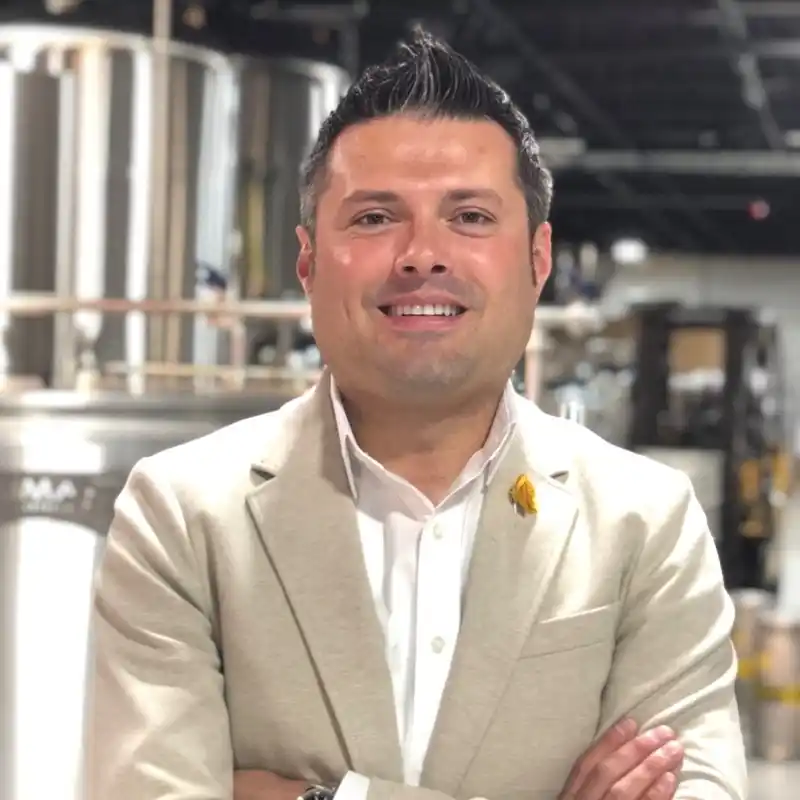
Dr. Sumeet Jindal is a board-certified ophthalmologist and oculofacial cosmetic surgeon, and the founder of JIYA Eyelid and Facial Cosmetic Surgery in Raleigh. He blends elite eye microsurgery with advanced facial cosmetic techniques, performing endoscopic face lifts, mid-face lifts, sutureless eyelid lifts, and complex revision surgeries for patients traveling in from Beverly Hills and beyond. Every cosmetic procedure at JIYA funds free vision-restoring care for patients who cannot afford it.
Follow Dr. Sumeet Jindal
LinkedIn - Dr. Sumeet Jindal | JIYA Cosmetic - jiyacosmetic.com | NC Ophthalmology - ncophth.com | Instagram - @drsumeetjindal
Follow the Fountain of Vitality podcast
Website - FountainofVitality.com | Tiktok - @FountainofVitalitypod | YouTube - @FountainofVitalityshow | Tumblr - @FountainofVitality | Facebook - FountainofVitalityShow | Rumble - Fountain_of_Vitality | Instagram - @FountainofVitalitypodcast | Email - contact@FountainofVitality.com
Follow LaMont Leavitt
LinkedIn - @LaMontJLeavitt | Twitter/X - @ljleavitt1 | InnoviHealth Website - innoviHealth.comRelated Blog
Duis mi velit, auctor vitae leo a, luctus congue dolor. Nullam at velit quis tortor malesuada ultrices vitae vitae lacus. Curabitur tortor purus, tempor in dignissim eget, convallis in lorem.



Subscribe Our Channel On Many Platform






Comments